

Hatchbacks Hit a Speed Bump: India’s Compact Car Market Faces Steep Decline in May 2025 as SUVs Dominate
New Delhi, India – June 14, 2025 – The Indian automotive landscape is undergoing a significant transformation, with the once-dominant hatchback segment experiencing a noticeable downturn. May 2025 sales figures reveal a sharp year-on-year decline for most popular models, even as familiar names continue to hold the top spots. This trend underscores a broader shift in consumer preference towards larger, feature-rich compact and midsize SUVs, a segment that continues to post robust growth.
While Maruti Suzuki, the undisputed leader in the Indian passenger vehicle market, still accounts for six of the top ten best-selling hatchbacks, the grim reality is that most of its models, along with offerings from other manufacturers, reported fewer dispatches compared to May 2024. In stark contrast, Tata Motors and Toyota, while showing marginal gains in some models, largely reflect the overall cooling demand for hatchbacks.
The Numbers Tell a Story: A Detailed Look at the Top 10
The May 2025 sales chart for hatchbacks paints a clear picture of the segment’s challenges:
| Rank | Top 10 Hatchbacks (YoY Change) | May 2025 Sales | May 2024 Sales |
|---|---|---|---|
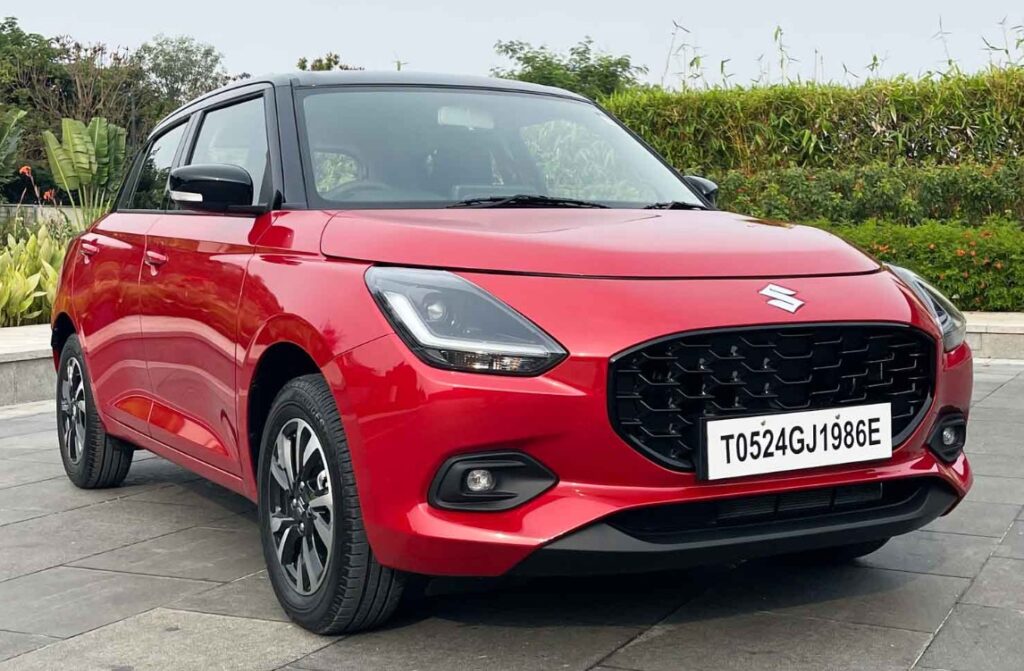
| 1 | Maruti Suzuki Swift (-27%) | 14,135 | 19,393 |
| 2 | Maruti Suzuki Wagon R (-4%) | 13,949 | 14,492 |
| 3 | Maruti Suzuki Baleno (-10%) | 11,618 | 12,842 |
| 4 | Tata Tiago (8%) | 6,407 | 5,927 |
| 5 | Maruti Suzuki Alto (-35%) | 4,970 | 7,675 |
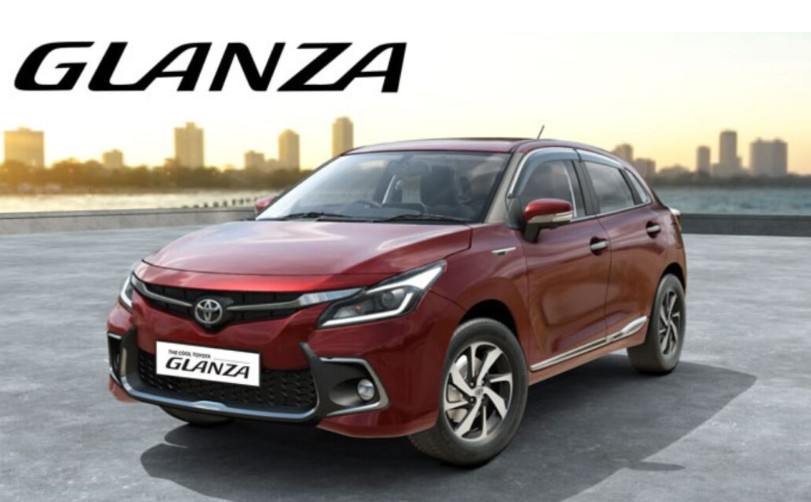
| 6 | Toyota Glanza (5%) | 4,753 | 4,517 |
| 7 | Hyundai Grand i10 Nios (-18%) | 4,344 | 5,328 |
| 8 | Hyundai i20 (-21%) | 4,090 | 5,169 |
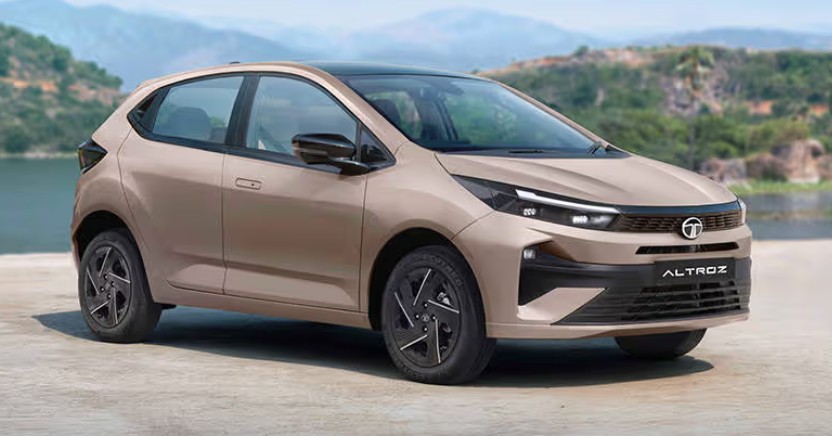
| 9 | Tata Altroz (-44%) | 2,779 | 4,983 |
| 10 | Maruti Suzuki Celerio (-44%) | 1,861 | 3,314 |
Maruti Suzuki’s Mixed Bag: The Maruti Suzuki Swift bravely held onto its top position, but not without a significant cost, registering a sharp 27% year-on-year drop in sales from 19,393 units in May 2024 to 14,135 units in May 2025. This substantial decline for a segment leader is a stark indicator of the prevailing market conditions. Following closely, the Wagon R secured the second spot, albeit with a 4% dip, selling 13,949 units. The Baleno, at third, also saw a 10% slip, ending May with 11,618 units. The once-ubiquitous entry-level Alto suffered a steep 35% plunge, dropping to fifth place with just 4,970 units, a far cry from its 7,675 units a year ago. Even the Celerio at the tenth spot experienced a dramatic 44% decrease, falling to 1,861 units.
Tata and Toyota – Glimmers of Growth amidst the Decline: In a challenging environment, Tata Motors’ Tiago compact hatchback stood out as the only car in the upper half of the table to record positive growth, climbing 8% year-on-year with 6,407 units sold. This suggests a potential niche for value-for-money offerings that resonate with certain buyer segments. Similarly, the Toyota Glanza, a rebadged Maruti Baleno, offered some resistance to the downturn, registering a modest 5% bump to 4,753 units last month, perhaps benefiting from Toyota’s brand perception and potential hybrid offerings. However, Tata’s premium hatchback, the Altroz, once a strong contender, saw a dramatic 44% fall year-on-year to just 2,779 units. The recent facelift for the Altroz might offer some hope for a revival in its fortunes in the coming months.
Hyundai’s Struggles: Both of Hyundai’s popular hatchbacks faced significant volume declines. The Grand i10 Nios recorded 4,344 units, reflecting an 18% contraction, while the i20 premium hatchback experienced a 21% fall, managing only 4,090 units.
The SUV Influx: A Paradigm Shift in Consumer Preferences
The primary driver behind the dwindling hatchback sales is the undeniable surge in demand for compact and midsize SUVs. Indian consumers are increasingly gravitating towards these vehicles for a multitude of reasons:
- Aspirations and Status Symbol: SUVs are widely perceived as having a higher status and more premium features, aligning with the rising disposable incomes and evolving aspirations of Indian buyers. They offer a more imposing road presence and a sense of adventure, appealing to a younger, more aspirational demographic.
- Perceived Safety and Robustness: SUVs generally offer a higher ground clearance and a more robust build, leading to a perception of enhanced safety on often-challenging Indian roads. The availability of advanced safety features in higher-segment SUVs further reinforces this belief.
- Space and Versatility: Evolving family structures and a desire for more comfortable long journeys are driving the demand for spacious vehicles. SUVs, with their larger interiors and ample boot space, are seen as a better fit for families and those seeking versatility.
- Narrowing Price Gap: The price difference between entry-level SUVs and premium hatchbacks has narrowed considerably over the years. This makes SUVs a more attainable aspiration for budget-conscious buyers who are willing to stretch their budgets for the perceived value and benefits associated with larger vehicles. The thriving used car market also allows buyers to acquire pre-owned SUVs at prices comparable to new hatchbacks.
- Government Regulations and Increased Costs: Stricter emission norms (BS-VI) and enhanced safety regulations have increased production costs across all vehicle segments. This disproportionately impacts the affordability of lower-end hatchbacks, which traditionally relied on competitive pricing as their primary selling point. Manufacturers are also finding higher profitability in SUV segments, leading to less investment and fewer new models in the hatchback space.
- Changing Urban Dynamics: While hatchbacks were traditionally favored for urban maneuverability and parking ease, the increasing proliferation of compact SUVs that retain a relatively small footprint has somewhat negated this advantage.
Recent reports further solidify the SUV dominance. In May 2025, Maruti Brezza dethroned Hyundai Creta to become the best-selling SUV, with over 15,000 units sold. Other popular SUVs like Tata Nexon and Kia Sonet also continue to post strong numbers. The overall passenger vehicle market saw a modest 3.7% year-on-year growth in May 2025, primarily driven by SUV models and hybrid variants, even as overall sales were slightly down month-on-month due to seasonal factors. OEMs like Mahindra and Toyota, with their strong SUV and hybrid portfolios, have shown significant market share gains, while Maruti Suzuki, despite leading in overall volumes, has seen its market share erode due to its weaker SUV presence compared to rivals.
The Road Ahead for Hatchbacks
While the market share remains heavily skewed towards Maruti Suzuki, the cooling demand across the hatchback spectrum is a clear signal that the segment is at a crossroads. For hatchbacks to regain their lost momentum, manufacturers may need to innovate beyond traditional offerings. This could include:
- Enhanced Features and Technology: Equipping hatchbacks with more premium features, safety technologies, and connectivity options to bridge the perceived value gap with SUVs.
- Focus on Hybrid and Electric Powertrains: Offering more compelling hybrid and electric hatchback options to cater to the growing demand for fuel-efficient and environmentally friendly vehicles.
- Aggressive Pricing and Value Propositions: Re-evaluating pricing strategies to make hatchbacks more attractive and create a clear differentiation from entry-level SUVs.
- Refreshed Designs and Marketing: Introducing new designs that offer a more contemporary and appealing aesthetic, coupled with marketing campaigns that highlight the unique advantages of hatchbacks in urban environments.
The Indian automotive market is dynamic, and consumer preferences are constantly evolving. While SUVs currently hold the lion’s share, the resilience of models like the Tata Tiago suggests that the hatchback segment is far from obsolete. Its future, however, will largely depend on how manufacturers adapt to these changing demands and redefine the appeal of the compact car for the modern Indian buyer.