

Mahindra’s Hybrid U-Turn: XUV E9 and BE 06 to Lead the Charge with Range Extenders
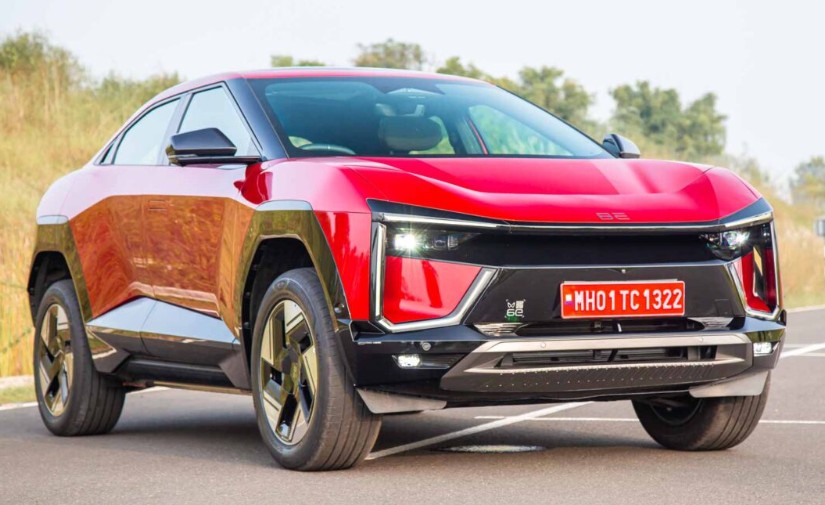
New Delhi, India – June 14, 2025 – Mahindra & Mahindra, a staunch advocate for battery electric vehicles (BEVs) and previously vocal about its disinterest in hybrid technology, appears to be making a significant strategic shift. A new report indicates that the homegrown automotive giant is now actively developing two strong hybrid vehicles, the XUV.e9 and BE.06, which will utilize a 1.2-litre petrol engine as a range extender. This surprising move underscores a growing pragmatism within Mahindra’s electrification strategy, acknowledging the slower-than-anticipated pace of EV adoption and the undeniable rise of hybrids in the Indian market.
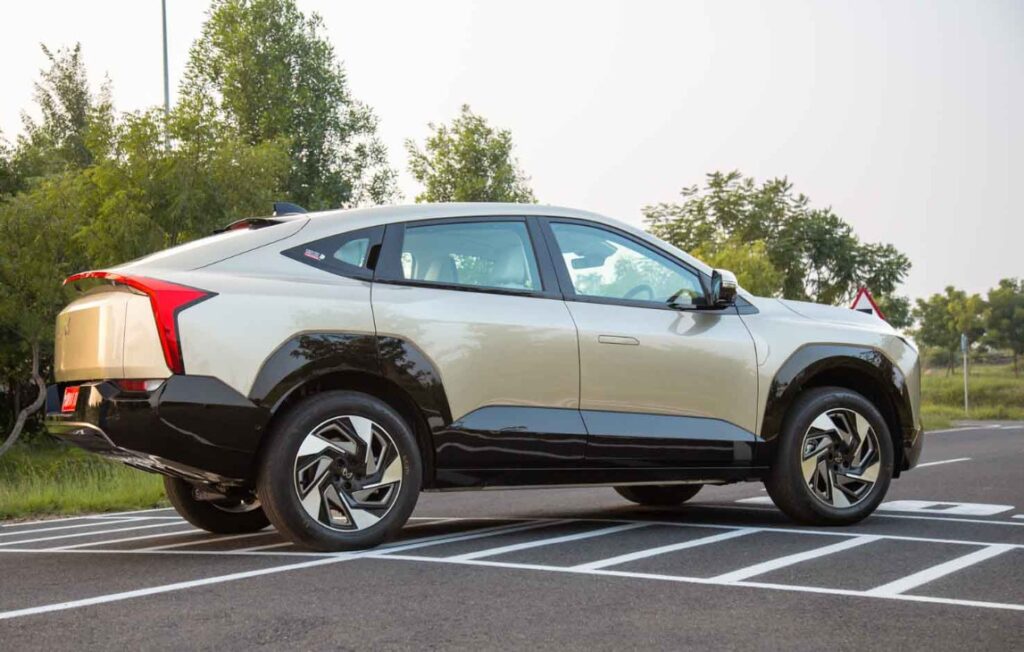
The decision to integrate internal combustion components into the previously all-electric INGLO skateboard platform, which was designed exclusively for BEVs, signifies a major re-engineering effort. This pivot is particularly notable as top players like Maruti Suzuki, Hyundai, Toyota, Kia, along with Renault and Nissan, are also reportedly preparing to introduce hybridized models in the coming years, indicating a broader industry trend.
The Logic Behind the Range Extender
For the XUV.e9 and BE.06, Mahindra is opting for a range-extender hybrid architecture. In this setup, the 1.2-litre gasoline engine will not directly power the wheels. Instead, its sole purpose will be to act as a generator, supplying charge to the battery. The battery, in turn, will power the electric motors responsible for propelling the vehicle.
This approach offers several key benefits:
- Extended Range: It addresses range anxiety, a significant barrier to EV adoption, by offering the convenience of refuelling with petrol when charging infrastructure is scarce or time is a constraint.
- Optimal Engine Efficiency: The small petrol engine can operate at its most efficient RPM range, independent of vehicle speed, thereby maximizing fuel efficiency in generating electricity.
- Reduced Emissions in City Driving: For shorter commutes and city driving, the vehicle can operate purely on electric power, minimizing local emissions.
- Lower Initial Cost (Potentially): While direct comparisons are yet to be made, the report suggests that these hybrid variants could be priced lower than their pure-electric INGLO siblings. This could make advanced electric vehicle technology more accessible to a wider consumer base.
Re-engineering the INGLO Platform
The INGLO platform (Indian Global), initially designed as a modular skateboard architecture exclusively for all-electric vehicles, will undergo significant technical and structural modifications. Integrating an internal combustion unit, its fuel tank, exhaust system, and cooling components into an architecture not originally conceived for them will be a complex engineering feat. Mahindra’s engineers will need to ensure that these modifications do not compromise the vehicle’s packaging, design intent, or the inherent advantages of the INGLO platform, such as its lightweight structure, high-density battery integration, and advanced safety features.
XUV 3XO: A Different Hybrid Approach
Interestingly, Mahindra is also evaluating a hybrid configuration for its recently launched XUV 3XO compact SUV, but this will differ significantly from the range-extender system. The XUV 3XO is likely to feature a series-parallel hybrid system. In this more conventional strong hybrid format, the 1.2-litre turbocharged petrol engine will work in tandem with an electric motor. Both the combustion engine and the electric unit will be capable of powering the vehicle either independently or in unison to improve overall fuel economy. This provides greater flexibility in power delivery, optimizing efficiency across various driving conditions, including highway speeds.
Why the Shift? Market Realities and Strategic Pragmatism
Mahindra’s change of heart regarding hybrids reflects a pragmatic response to evolving market dynamics in India:
- Slower EV Adoption: While the government has ambitious targets for EV penetration (30% by 2030), the pace of adoption has been slower than initially anticipated. Challenges such as charging infrastructure, higher upfront costs, and range anxiety continue to deter a significant portion of potential buyers.
- Steady Hybrid Growth: In contrast, the hybrid vehicle market in India has seen steady growth, especially in the mid-size segment. Models like the Maruti Suzuki Grand Vitara and Toyota Urban Cruiser Hyryder have demonstrated strong demand. Research suggests India’s hybrid vehicle market is poised for substantial growth, with sales expected to expand at a CAGR of ~34.81% during FY 2025 – FY 2030. In FY 2024, over 3.2 lakh hybrid vehicles were sold, and this number is projected to reach over 17.3 lakh by FY 2030.
- Interim Solution: Mahindra now views hybrid technology as a more viable interim step towards full electrification. As R Velusamy, President, Automotive Technology and Product Development, Mahindra Electric Automobile Ltd., recently stated, “Battery electric vehicle is the long-term goal. That’s non-stop. In the short and medium term, range extenders and strong hybrids can play a role.” This multi-pathway strategy aims to cater to a wider range of consumer preferences and accelerate the transition to cleaner mobility.
- Meeting Sales Targets: With current EV sales making up a relatively small portion of its overall sales, introducing hybrids can help Mahindra achieve higher monthly sales targets and expand its market share in the green vehicle segment.
This strategic recalibration by Mahindra indicates a flexible and adaptable approach to India’s unique automotive market. By embracing range-extender hybrids for its premium Born Electric SUVs and a strong hybrid for the mass-market XUV 3XO, Mahindra aims to offer a compelling blend of electrification benefits, extended range, and competitive pricing, positioning itself strongly for the evolving future of mobility.
