
After gathering information, I have a good understanding of the upcoming SUVs from Nissan and Renault.
Here’s a summary of the key information for each model:
- New-Gen Renault Duster:
- Expected launch: Early 2026.
- Platform: CMF-B modular platform (shared with Dacia/Nissan).
- Versions: 5-seater and 7-seater (the 7-seater is likely the Boreal).
- Engines: Likely 1.3-litre turbo petrol (154 bhp, 250 Nm), 1.6-litre strong hybrid petrol (140 bhp combined output), and possibly a 1.2-litre turbo petrol mild-hybrid. Diesel is unlikely.
- Features: Dual digital displays (7-inch instrument cluster, 10.1-inch infotainment), wireless Android Auto/Apple CarPlay, 360-degree camera, ADAS (Level 2 expected), six airbags.
- Positioning: Mid-size SUV, competitor to Creta, Seltos, Grand Vitara, Elevate.

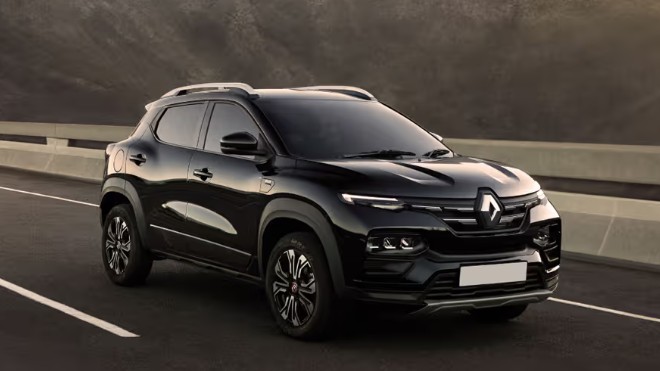
Renault Kiger Facelift:
- Expected launch: Later this year (H2 2025).
- Platform: Continues on CMF-A+ platform.
- Changes: Minor design tweaks (new headlamps, bumpers, tail lights, alloys), new Renault logo, interior updates (new colours, possible infotainment improvements, C-Type ports, material quality). No sheet metal changes.
- Engines: Retains existing 1.0-litre NA petrol (71 bhp) and 1.0-litre turbo-petrol (99 bhp).
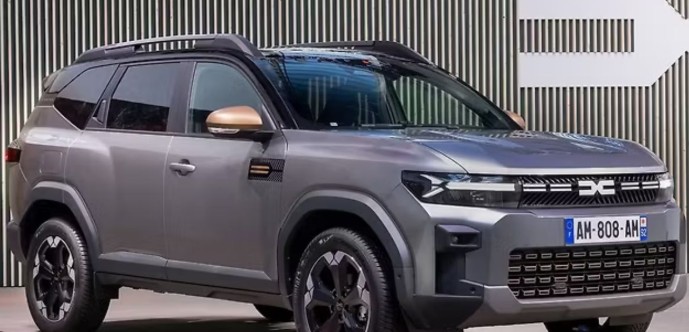
- Renault Boreal:
- Global debut: July 10, 2025 (South America).
- India launch: Expected in early 2026 (after Duster).
- Description: 7-seater version of the Duster, based on the Dacia Bigster. Will share CMF-B platform and powertrains with the new Duster (1.3L turbo petrol, 1.6L strong hybrid).
- Dimensions: Longer than Duster (230mm longer, 43mm extended wheelbase).
- Positioning: Mid-size 7-seater, rivals Alcazar, Safari, XUV700.
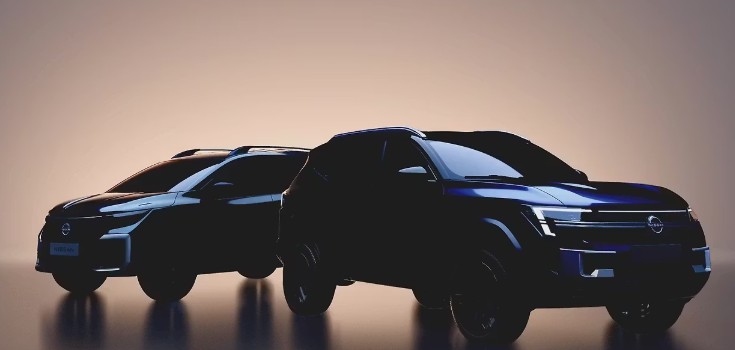
- New Nissan SUV (Duster-based C-SUV):
- Expected launch: 2026 (alongside new Duster, or slightly after, possibly by end of FY2026).
- Platform: CMF-B platform, shared with the new Renault Duster.
- Design: Distinctive design from Duster, inspired by Nissan Patrol. Unique headlights, grille, bumpers.
- Interiors: Expected to have a similar layout but with Nissan’s own touches and features (10.1-inch touchscreen, 7-inch digital instrument cluster, 360-degree camera).
- Engines: Likely to share powertrains with Duster (1.3L turbo petrol, possibly 1.6L strong hybrid). Will be petrol-only at launch.
- Versions: 5-seater initially, with a 7-seater version expected by early 2027.
- Positioning: Hyundai Creta rival, aiming to strengthen Nissan’s presence in the C-segment SUV market. Could be named ‘Kait’ or another new name.
The Indian automotive market, particularly the burgeoning SUV segment, is set for a significant shake-up as the Renault-Nissan Alliance prepares to unleash a quartet of new and updated SUVs. This strategic offensive aims to bolster the brands’ presence and challenge segment leaders, promising more choices for discerning Indian buyers. From a highly anticipated return to refreshed favourites, here’s a detailed look at the four upcoming SUVs poised to redefine the landscape.
1. The Grand Return: New-Gen Renault Duster
Perhaps the most awaited of the lot, the New-Gen Renault Duster is gearing up for its grand re-entry into the Indian market, expected to hit showrooms in early 2026. Built on the highly versatile CMF-B modular platform, this iteration promises to be a far cry from its predecessor, offering enhanced sophistication and capabilities.
Globally acclaimed for its rugged charm, the new Duster will blend modern aesthetics with its characteristic tough stance. Expect sharp ‘Y-shaped’ LED DRLs, a muscular design, and a choice between 5-seater and a more spacious 7-seater configuration (likely the Boreal). Under the hood, power is expected from a 1.3-litre turbo-petrol engine (delivering around 154 bhp) and, crucially, a 1.6-litre strong hybrid petrol option (around 140 bhp combined output), signalling Renault’s commitment to more efficient powertrains. Inside, the new Duster will elevate the experience with dual digital displays – a 7-inch instrument cluster and a 10.1-inch infotainment touchscreen with wireless Apple CarPlay and Android Auto. Advanced safety features, including a 360-degree camera and Level 2 ADAS, along with six airbags, will make it a formidable rival to segment stalwarts like the Hyundai Creta, Kia Seltos, and Maruti Grand Vitara.
2. Sharpening the Edge: Renault Kiger Facelift
For those seeking a more immediate update, the Renault Kiger Facelift is slated for launch later this year, in H2 2025. While retaining its successful compact SUV formula on the CMF-A+ platform, the facelift will bring refreshing cosmetic and feature enhancements.
The updated Kiger is expected to sport tweaked headlamps, revised bumpers, new tail light designs, and fresh alloy wheels, alongside the adoption of Renault’s new ‘Nouvel’R’ logo. Interior refinements will include new colour schemes, potentially improved infotainment responsiveness, and the addition of Type-C charging ports, aiming to uplift the cabin’s appeal. Mechanically, the Kiger will continue with its proven 1.0-litre naturally aspirated petrol (71 bhp) and the peppy 1.0-litre turbocharged petrol (99 bhp) engines, maintaining its competitive pricing and urban agility.
3. The Seven-Seater Powerhouse: Renault Boreal
Expanding Renault’s SUV portfolio further will be the Renault Boreal, a 7-seater SUV set to make its global debut on July 10, 2025, and arrive in India by early 2026 after the Duster. Essentially the Renault-badged version of the Dacia Bigster, the Boreal will share its robust CMF-B platform and powertrain options with the new Duster, including the turbo-petrol and strong hybrid engines.
Significantly longer than the 5-seater Duster, the Boreal will offer an extended wheelbase, translating into generous cabin space and practical 6 or 7-seat configurations. It will directly challenge the likes of the Hyundai Alcazar, Tata Safari, and Mahindra XUV700, providing a compelling option for larger families or those requiring more seating flexibility without compromising on SUV stature.
4. Nissan’s Bold New Play: The New Nissan SUV
Nissan is also poised to reclaim a significant share of the Indian SUV pie with its New Nissan SUV, expected to launch around 2026, likely mirroring the new Duster’s timeline. This crucial model, also based on the CMF-B platform, will be Nissan’s direct competitor to the Hyundai Creta.
While sharing underpinnings with the Duster, Nissan promises a distinctly different design language for its SUV, reportedly drawing inspiration from the globally acclaimed Nissan Patrol. Expect unique front and rear fascias, and a tailored interior that incorporates Nissan’s signature touches, including a 10.1-inch infotainment display and a 7-inch digital instrument cluster. Initially, this SUV will likely be a petrol-only model, leveraging the Duster’s powertrains. A 7-seater version is also confirmed to follow by early 2027, showcasing Nissan’s comprehensive approach to the market.
This coordinated product offensive from the Renault-Nissan Alliance underscores their renewed commitment to the Indian market. By leveraging shared platforms and distinct brand identities, they aim to capture a larger share of the fast-growing SUV segment, offering a diverse range of options for Indian consumers across various price points and segments. The coming years promise to be an exciting period for SUV enthusiasts in India.

Generate Audio Overview