

DDA Unveils Premium Housing Scheme 2025: A Strategic Move Towards Market Alignment and Ease of Business
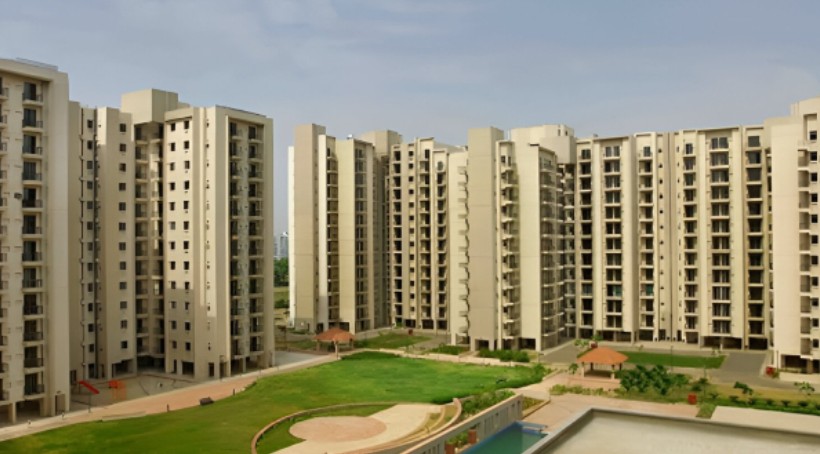
New Delhi, July 14, 2025 – The Delhi Development Authority (DDA) is poised to launch its highly anticipated Premium Housing Scheme 2025, bringing 177 prime residential flats and garages to the market through an e-auction process. This initiative is not just about expanding housing options; it signals a broader strategic shift by the DDA towards market alignment, ease of doing business, and making Delhi more competitive within the National Capital Region (NCR).
The Premium Housing Scheme 2025 will encompass a diverse range of units, including Higher Income Group (HIG), Middle Income Group (MIG), and Lower Income Group (LIG) flats. These coveted properties are spread across various sought-after locations in Delhi, such as Vasant Kunj, Dwarka, Rohini, Pitampura, Jasola, and Ashoka Pahari, among others, as reported by The Times of India. The e-auction mechanism is designed to ensure transparency and accessibility for prospective buyers.
Beyond the housing scheme, the DDA has concurrently announced significant policy reforms that are expected to have a far-reaching impact on the real estate and commercial landscape of the capital. These crucial decisions were made based on recommendations from a high-level joint government-industry task force, constituted by the Lieutenant Governor, emphasizing a collaborative approach to urban development.
Key Policy Reforms: Driving Market Reality and Competitiveness
Two pivotal decisions underscore the DDA’s commitment to creating a more business-friendly environment:
- Reduced Amalgamation Charges for Commercial Properties: While specific details on the percentage reduction were not fully provided in the immediate release, the decision to lower amalgamation charges is a significant step. Amalgamation charges are fees levied when combining multiple land parcels or properties. A reduction in these charges will directly lower the cost for developers and businesses looking to consolidate commercial spaces, thereby encouraging larger, more efficient commercial developments and potentially reducing the overall project costs. This move aims to stimulate investment and better utilize prime commercial areas that have, in some instances, faced under-utilization due to high regulatory costs.
- Lowered Multiplication Factor for Commercial Property Auctions: In a particularly impactful move, the DDA has slashed the multiplication factor for the auction of commercial properties from the existing rate of twice the circle rate to a more pragmatic 1.5 times the circle rate. This direct reduction in the baseline price calculation for commercial land auctions is a game-changer. For years, developers and industry stakeholders have vociferously pointed out the “stark difference in regulatory costs between Delhi and its neighbouring cities” as a primary reason for projects shifting to other parts of the NCR. By aligning its property valuation more closely with market realities, the DDA aims to level the playing field and attract more commercial investments back into the capital.
The DDA explicitly stated that these decisions represent “a major policy reform in the PM’s push for ease of doing business.” This aligns with the broader national agenda to simplify regulatory frameworks and enhance the overall business ecosystem. The high multiplication factor previously in place often made commercial land in Delhi disproportionately expensive compared to areas in Gurugram, Noida, and Ghaziabad, deterring large-scale commercial ventures and delaying infrastructure development.
Impact and Outlook
The combined effect of these policy reforms is expected to be multifaceted:
- Increased Investor Confidence: Lowering acquisition costs for commercial properties and streamlining processes will likely boost investor confidence in Delhi’s commercial real estate market.
- Enhanced Urban Development: More competitive land rates can incentivize developers to undertake new commercial projects, leading to job creation and improved urban infrastructure.
- Greater Competitiveness within NCR: By addressing the cost disparity, Delhi can regain its competitive edge, attracting businesses and projects that might have previously opted for neighboring cities.
- Optimal Utilization of Commercial Spaces: Reduced regulatory burdens could encourage the development and optimal utilization of prime commercial areas, leading to more vibrant business hubs.
- Accessible Housing: The Premium Housing Scheme, through its e-auction format and diverse offerings, aims to provide transparent and accessible housing opportunities across different income groups in well-established areas.
The DDA’s latest announcements underscore a proactive approach to urban planning and economic development. By directly addressing long-standing concerns of the real estate industry and aligning with market dynamics, the Authority is paving the way for a more dynamic, accessible, and economically robust Delhi in the years to come. The success of these reforms will be closely watched as they unfold, with the potential to significantly reshape the capital’s urban landscape.