

Indian Auto Market’s Big Leap: A Look at the Next 9-12 Months of New Car Launches and EV Revolution
The Indian automotive sector is on the cusp of an exhilarating period, with a deluge of new models poised to hit the market over the next 9 to 12 months. Major manufacturers like Maruti Suzuki, Hyundai, Mahindra, Tata, and Kia, along with new entrants like VinFast and the much-anticipated Tesla, are set to unveil a diverse range of vehicles, from heavily revamped popular models to all-new electric offerings. Many of these vehicles have been extensively spied testing on Indian roads, building immense anticipation among car enthusiasts and potential buyers.
Here’s a detailed rundown of the upcoming models and what to expect:
1. Next-Gen Mahindra Bolero (or Bolero Neo)
Mahindra is preparing a significant evolution for its Bolero brand, with the next-generation Bolero or Bolero Neo expected to debut as early as August 2025. This highly anticipated model will migrate to a new ladder-frame chassis, likely Mahindra’s New Flexible Architecture (NFA). This transition promises improvements in ride quality, handling, and structural rigidity.

While the current 1.5-liter diesel engine is expected to be retained, there’s a strong possibility it will also adopt powertrains from the successful XUV 3XO, potentially including petrol options to diversify its appeal. Design-wise, expect an evolutionary upgrade, maintaining the Bolero’s rugged aesthetic while integrating more modern styling cues. Spy shots suggest a more upright front fascia, a clamshell bonnet, rectangular LED headlamps with circular elements, and potentially multi-spoke alloy wheels. Reports also hint at an independent rear suspension for enhanced comfort and flush-fitting door handles, giving it a more contemporary touch. An unveiling on August 15, 2025, for a concept version, followed by a launch in October 2025 or early 2026, is speculated.
2. Next-Gen Hyundai Venue
Hyundai’s popular compact SUV, the Venue, is slated for a comprehensive generational overhaul, with a launch expected during the festive season of 2025 (likely around September-October). Spy shots reveal a design heavily influenced by Hyundai’s latest offerings like the Creta and Alcazar. The front fascia is expected to be bolder, featuring vertically stacked headlamps, C-shaped LED DRLs, and a redesigned grille. The rear could see updated LED taillamps, possibly with a connected light bar.

The interior is set for a significant upgrade, with a redesigned dashboard, a larger touchscreen infotainment system, and a fully digital instrument cluster. New features are likely to include ventilated front seats, a 360-degree camera, and an advanced Level 2 ADAS (Advanced Driver-Assistance Systems) suite, further enhancing its appeal in the fiercely competitive compact SUV segment. Powertrain options are largely expected to be carried over from the current model: the 1.2-liter naturally aspirated petrol, the 1.0-liter turbo-petrol, and the 1.5-liter diesel engines, with various manual, iMT, and DCT transmission choices.
3. Kia Carens Clavis EV
Kia is set to expand its EV portfolio with the launch of the electric version of the Carens, dubbed the Carens Clavis EV, which is confirmed to go on sale as early as July 2025. This marks Kia’s foray into the mass-market EV segment in India, and it will be the country’s first mass-market 7-seater electric MPV.
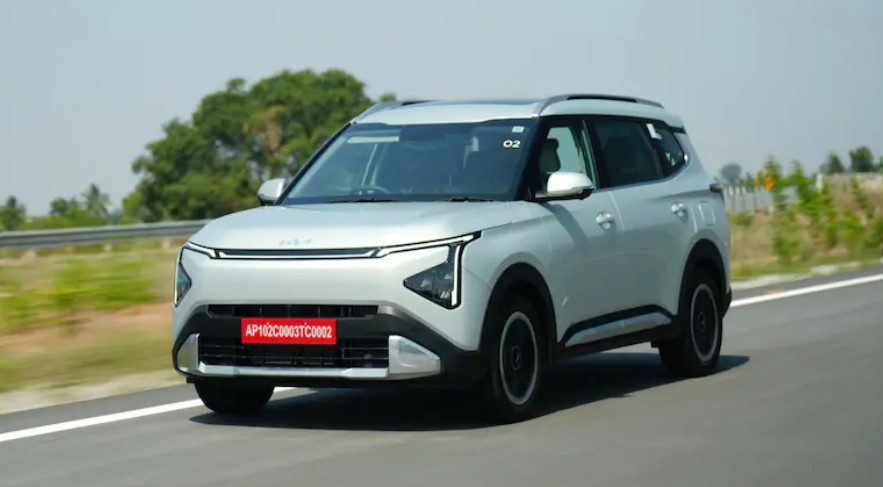
Based on the recently launched Carens Clavis, the EV variant will feature distinct EV-specific design elements like a front-mounted charging port and EV badging. It’s expected to borrow powertrain options from the Hyundai Creta Electric, offering two battery options (likely 42 kWh and 51.4 kWh) with a claimed driving range of over 450 km per charge (potentially up to 473 km with the larger pack). Key features will include Level 2 ADAS with over 20 functionalities, a panoramic sunroof, dual 12.3-inch displays, DC fast charging, and even bi-directional charging (V2L and V2V capabilities). Expected pricing could range from ₹16-24 lakh (ex-showroom).
4. Next-Gen Kia Seltos
The second generation of Kia’s immensely popular Seltos SUV has been caught testing globally and in India, with its global debut expected sometime in 2026. This comprehensive update will bring a thoroughly redesigned front and rear profile, including new alloy wheels. The cabin, already known for being feature-rich, will see further additions and a significant overhaul.
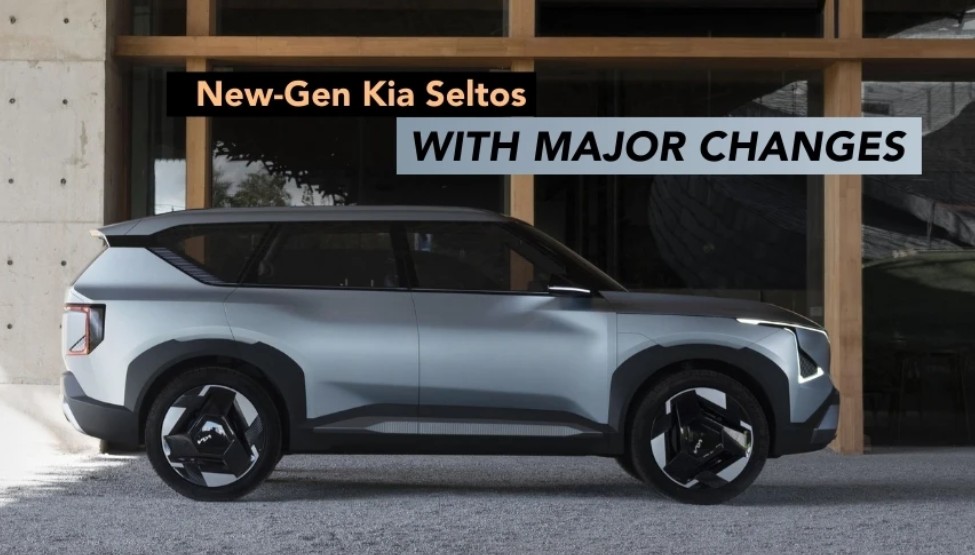
More importantly, a hybrid petrol engine is a high possibility for the next-gen Seltos. This could be a 1.5-liter naturally aspirated petrol paired with electric assistance for the Indian market, or globally, a 1.6-liter hybrid delivering around 141 hp. This move aligns with the industry’s shift towards more fuel-efficient powertrains. Expected features include a panoramic sunroof, wireless charging, ventilated seats, a new dual-spoke steering wheel, and potentially an advanced Level 2 ADAS suite with features like adaptive cruise control and automatic braking. The design is expected to align with Kia’s “Opposites United” philosophy, seen on models like the EV9.
5. New Tata Sierra (EV & ICE)
The iconic Tata Sierra nameplate is making a grand comeback, with both electric (EV) and internal combustion engine (ICE) versions undergoing extensive testing. The Sierra EV is expected to arrive first, sometime in the current fiscal year (FY2026), potentially by late 2025, before the ICE version debuts in early 2026. This strategy mirrors Tata’s approach with the Curvv, where the EV variant was launched first.
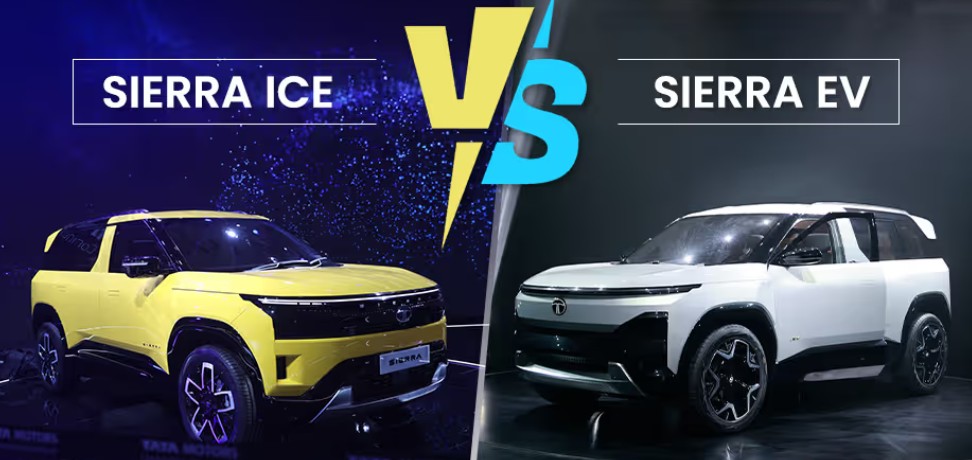

The Sierra EV is expected to share a lot with the Harrier EV, including a potential “Quad Wheel Drive” (AWD) option on higher trims. It will likely offer multiple battery options with a claimed range of around 500 km. The ICE Sierra will utilize a new 1.5-liter turbo petrol engine and potentially a 2.0-liter diesel engine (possibly derived from the Harrier/Safari), paired with both manual and automatic transmission options. The new Sierra, showcased as a near-production concept at Bharat Mobility Global Expo 2025, will feature a retro-modern design with large glass areas, a distinctive silhouette, and a tech-laden cabin, possibly including a three-screen setup and ADAS features. Expected pricing could start from around ₹10.50 lakh for the ICE and ₹25 lakh for the EV (ex-showroom).
6 & 7. Tesla Model 3 & Model Y
The entry of electric vehicle behemoth Tesla into the Indian market is one of the most anticipated events. The Model 3 sedan and the facelifted Model Y SUV are currently undergoing test runs in India. While the exact launch timeline is still being debated, these two models are widely considered to be the frontrunners for the American EV manufacturer’s local debut sometime in 2026.
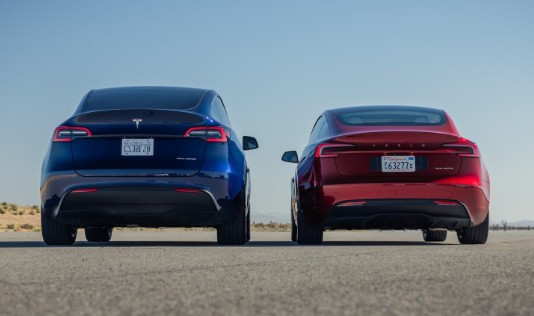
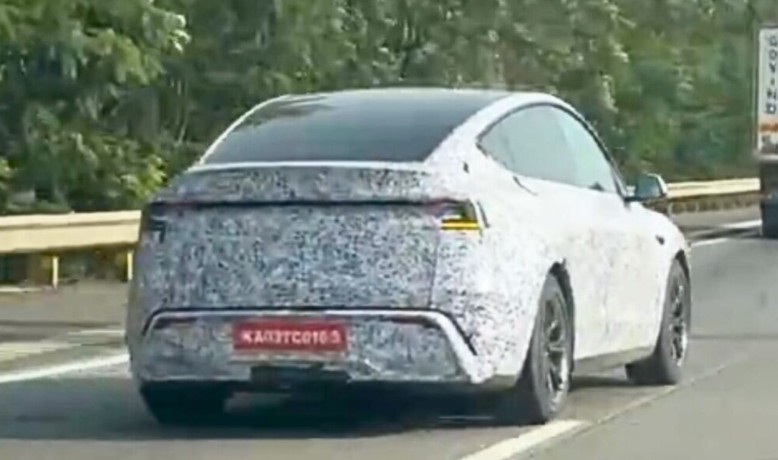
The Model 3 and Model Y are expected to be imported initially as CBU (Completely Built Units), with potential local assembly planned for the future. Their arrival will significantly shake up the premium EV segment, offering advanced technology, impressive range, and Tesla’s signature minimalist design. The Model Y Juniper, a refreshed version, has been spotted in India and is expected to offer improved range and features.
8. Maruti Suzuki e Vitara (or eVX)
Maruti Suzuki, India’s largest automaker, is set to make its major EV push with the market launch of the e Vitara (or eVX as it was previously known) this festive season (expected by September 2025). This all-electric SUV, showcased at the Bharat Mobility Expo 2025, will be available with two battery pack options (likely 49 kWh and 61 kWh), offering a claimed range of more than 500 km per charge (up to 550 km for the larger pack).
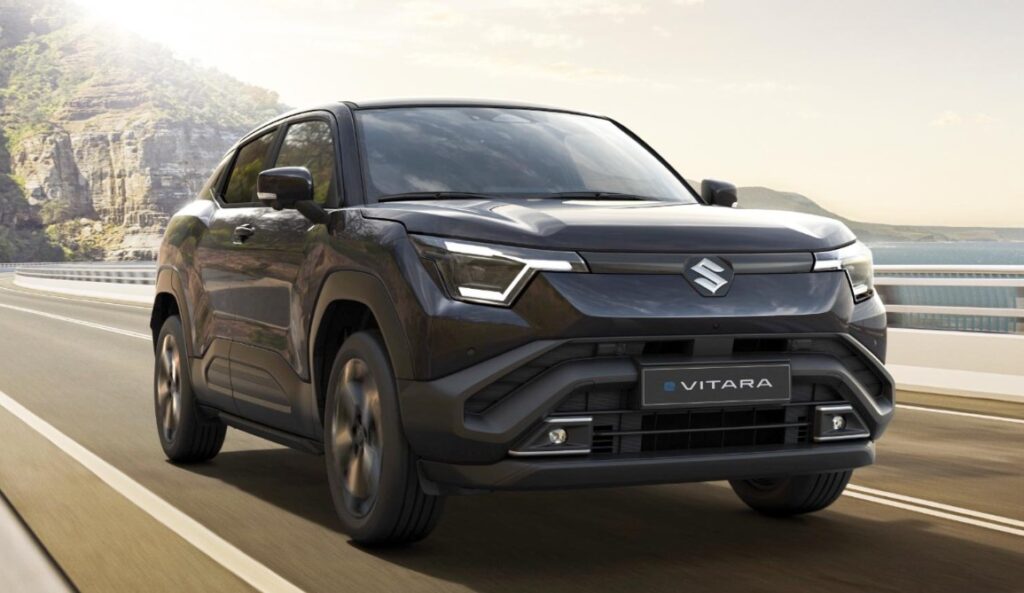
The e Vitara will be sold through Nexa outlets and is expected to be a strong contender in the mid-size EV SUV segment, rivaling models like the Tata Curvv EV and upcoming Hyundai Creta EV. It will feature a dual-screen setup, wireless charging, ADAS functions, an electronic parking brake, and a premium cabin. Maruti’s chairman R.C. Bhargava has indicated that a significant portion of the initial production will be for export, meaning domestic supply might be limited initially.
9 & 10. VinFast VF6 & VF7
Vietnamese EV manufacturer VinFast is also making its foray into the Indian market, with its debut models, the VF 6 and VF 7, also slated for launch this festive season (expected in September 2025). These models will benefit from local assembly lines being set up in Tamil Nadu, potentially offering competitive pricing.
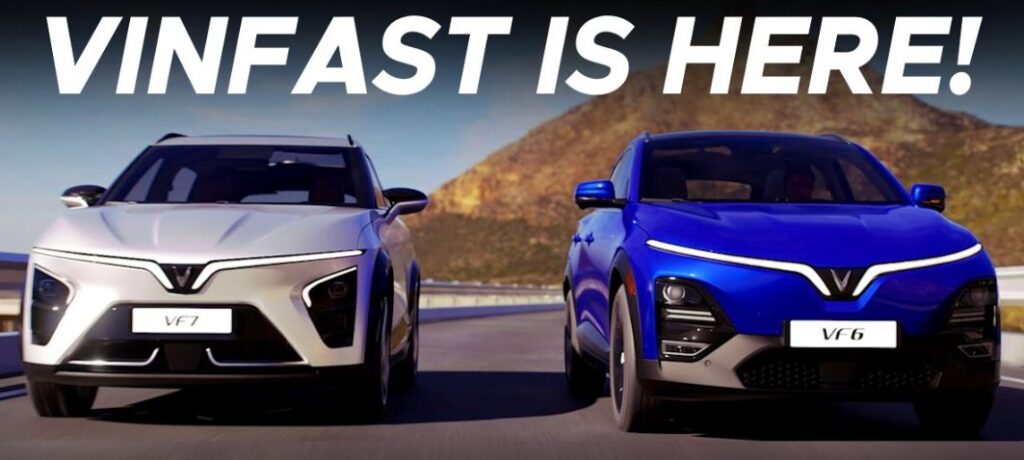
The VinFast VF 6, a sleek premium electric SUV, will feature a front-mounted motor generating 204 hp and 310 Nm of torque (for the Plus variant), drawing energy from a 59.6 kWh battery pack. It boasts a claimed WLTP range of up to 410 km. The VF 6 will offer a premium cabin with modern amenities like a 12.9-inch central touchscreen (with no conventional instrument cluster), heated and ventilated front seats, and Level 2 ADAS.
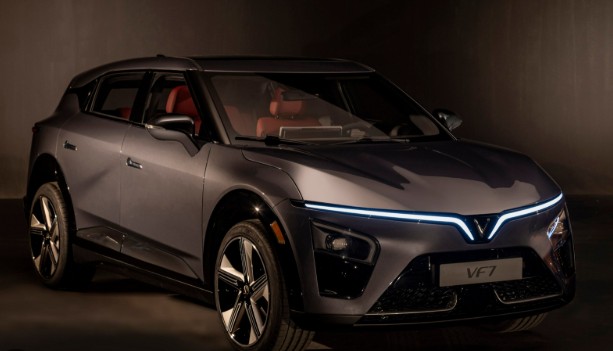
The VinFast VF 7 will utilize a larger 75.3 kWh battery, offering a claimed range of up to 450 km between charges. Both models emphasize a youthful and modern design language with distinctive V-shaped LED DRLs and connected LED taillamps. VinFast plans to follow these launches with the VF3 in 2026, solidifying its presence in India’s burgeoning EV market.
The next 9-12 months are shaping up to be a landmark period for the Indian automotive industry, offering consumers an unprecedented array of choices, particularly in the rapidly expanding electric vehicle segment. The fierce competition is expected to drive innovation, enhance features, and ultimately, benefit the discerning Indian car buyer.